Varicose Vein Diagnosis

Fletcher Allen’s vascular surgeons use the latest technology and minimally invasive procedures to diagnose and treat varicose veins and venous insufficiency.

Patients can be assured of working with experienced and knowledgeable surgeons, who are on the leading edge of new developments in vascular surgery.

Varicose Vein Diagnosis

Fletcher Allen’s vascular technologists and imaging specialists are specially trained in the latest techniques to diagnose venous insufficiency. Diagnostic tests are performed in our non-invasive diagnostic laboratory located within the Vascular Surgery offices. The process of diagnosis may involve the following:

  • Physical exam -- Your vascular surgeon will conduct a full medical history and physical exam. He or she will examine your varicose veins and may measure blood pressure in your legs.
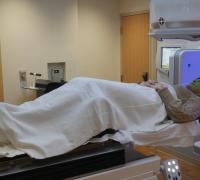
  • Duplex ultrasound -- This test may be used to confirm your diagnosis. It can determine if your veins are working properly or if there’s any indication of a blood clot. The test involves using high-frequency sound waves which bounce off the blood cells and vessels. The sound waves create an image of blood flow and blood vessel structures in the legs.

Non-invasive vascular laboratory

Diagnosing vascular problems typically begins in our nationally accredited non-invasive diagnostic laboratory, conveniently located in the Vascular Surgery clinic at Fletcher Allen’s Ambulatory Care Center. Patients are often able to see a doctor and have a non-invasive test during a single visit.

The lab is staffed by registered vascular technologists -- highly skilled specialists with advanced training in non-invasive vascular imaging and testing. By focusing solely on vascular problems, these technologists bring an in-depth knowledge to the diagnosis of vascular patients.

The lab offers imaging and testing for the full range of vascular problems affecting all areas of the body. It provides two main types of testing -- physiological studies and ultrasound imaging. Both are non-invasive tests that are usually painless and relatively quick.

They enable your physician to decide whether additional, more invasive tests are needed. These studies also can identify problems such as arterial atherosclerosis or vein disease.

  1. Physiological studies -- Studies that measure the amount of blood traveling through the vessels with and without exercise. They help determine if blockages exist.
  2. Ultrasound imaging -- An imaging study that uses sound waves to produce a video image of your blood vessels. Ultrasounds are used to check for a potential aneurysm, as well as blocked blood vessels in the neck, abdomen or extremities. In some cases, it may be the only test necessary to determine the need for an operation or stenting procedure.

Learn about treatments for Varicose Veins.

Find a Fletcher Allen physician or call 877-817-5030.


Related Documents

Tips for Post Varicose Vein Surgery Patients Download PDF


Note: Adobe Acrobat Reader is needed to view PDF documents